Certification Timelines Adjusting Symbol Frequency Rates Across Approved Northern Digital Gaming Platforms
Skriven av Drew Hansen · 2026-10-27
Certification Timelines Adjusting Symbol Frequency Rates Across Approved Northern Digital Gaming Platforms
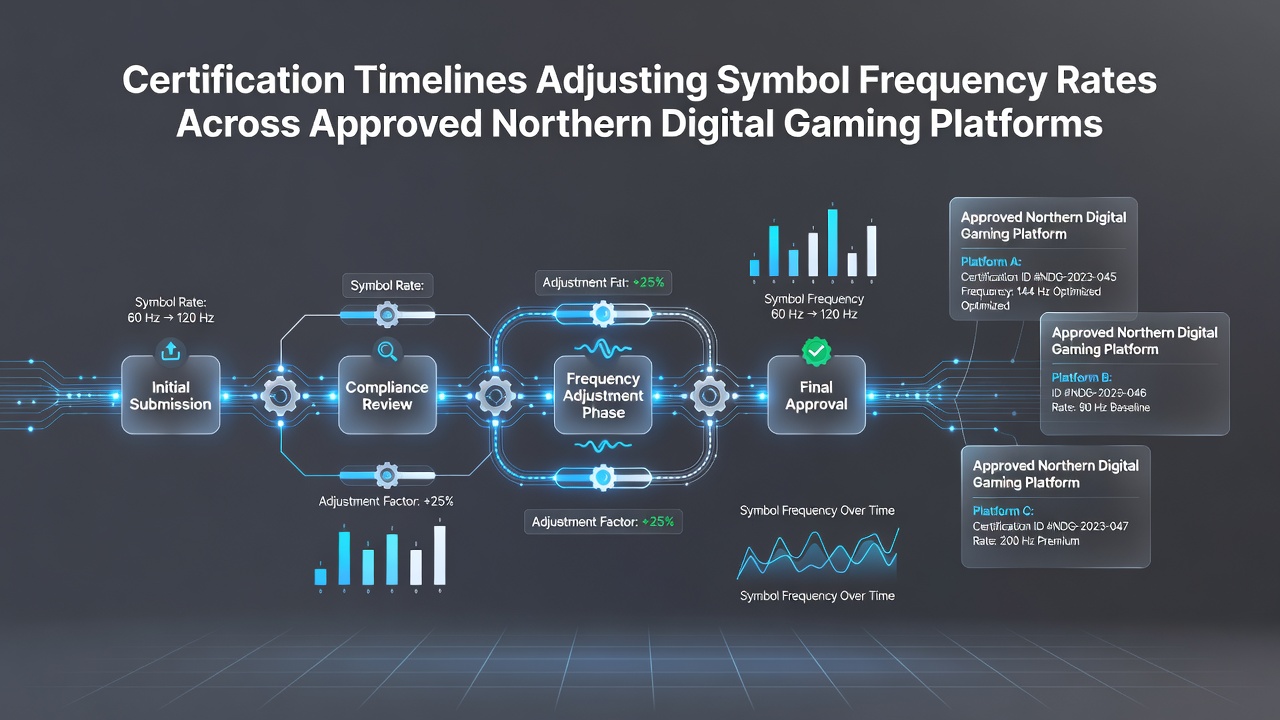
Certification timelines for adjusting symbol frequency rates have become central to operations on approved northern digital gaming platforms, where regulatory bodies require detailed verification before any modifications take effect. These platforms, operating under licenses from Nordic authorities, must submit updated game files for testing whenever symbol distribution parameters change, since even minor shifts can alter return-to-player calculations and random number generator outputs. Data from regulatory filings show that approval cycles typically span four to twelve weeks, depending on the complexity of the proposed adjustments and the volume of test cases required by independent laboratories.
Regulatory Framework Governing Frequency Modifications
Northern jurisdictions maintain strict protocols that link symbol frequency rates directly to game certification status, meaning operators cannot deploy revised configurations until laboratories complete full re-evaluation. The process begins when a platform submits technical documentation outlining the new frequency tables, after which accredited testers run millions of simulated spins to confirm statistical integrity. According to records maintained by the Swedish Gambling Authority, submissions involving frequency changes increased by 18 percent between 2024 and 2025, reflecting broader platform updates across Sweden, Norway, and Finland.
Testing laboratories apply standardized RNG evaluation methods that measure symbol occurrence against declared probabilities, and any deviation beyond predefined tolerance levels triggers additional review rounds. Platforms must also demonstrate that updated frequencies remain consistent across all certified game versions, including mobile and desktop variants. This requirement adds several days to the overall timeline because testers replicate the same frequency checks on each delivery channel.
Impact of Certification Duration on Platform Operations
Extended certification periods directly affect how quickly northern platforms can respond to market data or player behavior analytics when symbol frequencies require recalibration. One platform operator in Finland documented a seven-week delay after submitting frequency adjustments for a high-volume title, during which competitors retained older configurations. Such lags have prompted some providers to schedule updates in advance of anticipated regulatory reviews rather than reacting to real-time performance metrics.
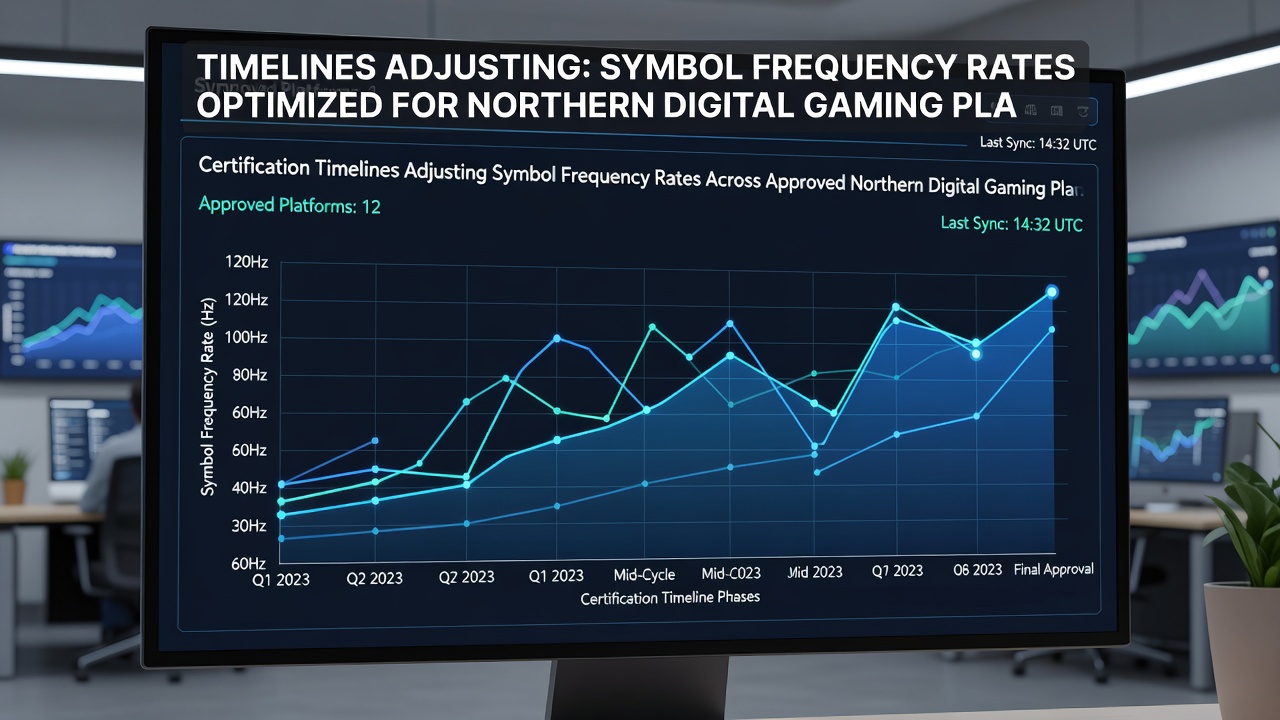
Observers note that laboratories often prioritize submissions based on risk categories, placing frequency modifications in a medium-priority tier that sits between minor UI tweaks and entirely new game titles. This categorization system, outlined in guidance issued by the Norwegian Gaming Authority, helps allocate testing resources but can still result in backlogs when multiple operators submit simultaneous changes. Platforms therefore coordinate release schedules with certification partners to minimize gaps between approval and deployment.
Technical Requirements for Frequency Rate Submissions
Each submission package must contain source code excerpts, mathematical models of symbol distribution, and comparative data sets showing before-and-after frequency rates. Laboratories then verify that the revised rates align with the declared theoretical return percentages while maintaining independence from external manipulation. Additional checks examine how frequency changes interact with bonus trigger mechanisms, since certain symbols influence both base game outcomes and feature activation probabilities.
Research indicates that platforms using modular game engines can reduce resubmission times by isolating frequency tables as separate components, allowing testers to focus verification efforts on the modified sections alone. This approach has shortened average approval windows by up to three weeks for some operators, according to industry reports compiled by the European Gaming and Betting Association. However, older monolithic architectures still require complete game re-certification even for isolated frequency tweaks.
October 2026 Regulatory Updates and Expected Effects
Beginning in October 2026, updated technical standards across several northern markets will introduce mandatory quarterly reporting on symbol frequency performance for all live certified titles. Platforms will need to demonstrate ongoing statistical alignment between declared and observed rates, with deviations exceeding two percent requiring immediate re-certification applications. These forthcoming rules are expected to increase the annual number of frequency-related submissions, particularly for titles that rely on dynamic or adaptive symbol weighting systems.
Industry organizations have already begun preparing standardized templates to streamline the additional documentation required under the new framework. Laboratories anticipate that automated monitoring tools will help flag potential issues earlier in the cycle, potentially offsetting some of the added workload. Platforms operating across multiple Nordic jurisdictions will also need to align their internal processes with the most stringent requirements among participating authorities to avoid staggered approval timelines.
Conclusion
Certification timelines for symbol frequency adjustments continue to shape operational planning on approved northern digital gaming platforms, with laboratories, operators, and regulators working within established verification protocols. As October 2026 approaches, the introduction of enhanced reporting obligations will likely intensify coordination between all parties involved in maintaining certified game integrity. Platforms that adapt their technical architectures and submission procedures stand to navigate these requirements more efficiently while remaining compliant with evolving northern regulatory standards.