How Biometric Verification Steps Alter Bonus Unlock Sequences at Sweden's Regulated Mobile Slot Platforms
Skriven av Sage Carter · 2026-09-29
How Biometric Verification Steps Alter Bonus Unlock Sequences at Sweden's Regulated Mobile Slot Platforms
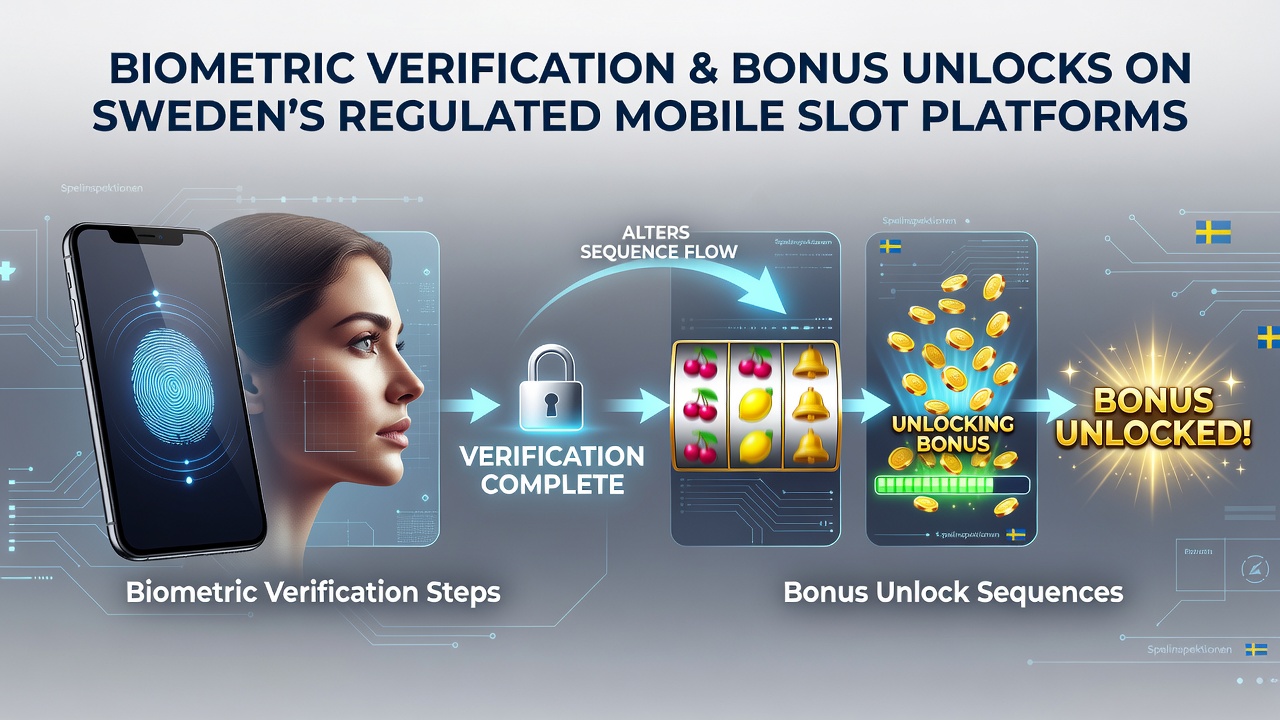
Biometric verification has become a standard feature across Sweden's regulated mobile slot platforms, and it directly changes how players move through bonus unlock sequences from the moment an account activates a promotion. Platforms licensed by Spelinspektionen integrate fingerprint or facial recognition into the login and claim flow, which replaces or supplements traditional password entry and shifts the timing of when bonus funds or free spins appear in a player's balance. Data from industry reports shows that these steps reduce average unlock time while adding an extra authentication layer that must complete before the sequence proceeds to the next stage.
Regulatory Framework Guiding Verification Requirements
Swedish gambling rules require operators to maintain strict player identification at multiple points in the session, and biometric tools satisfy those rules without forcing users to re-enter lengthy personal details each time a bonus triggers. Since September 2026 several platforms updated their mobile apps to embed biometric prompts directly into the bonus claim screen, which means the verification happens in one continuous flow rather than as a separate menu step. Observers note that this integration keeps the sequence compliant with Spelinspektionen guidelines while shortening the number of taps needed to reach active bonus rounds.
Typical Bonus Unlock Sequence Before Biometrics
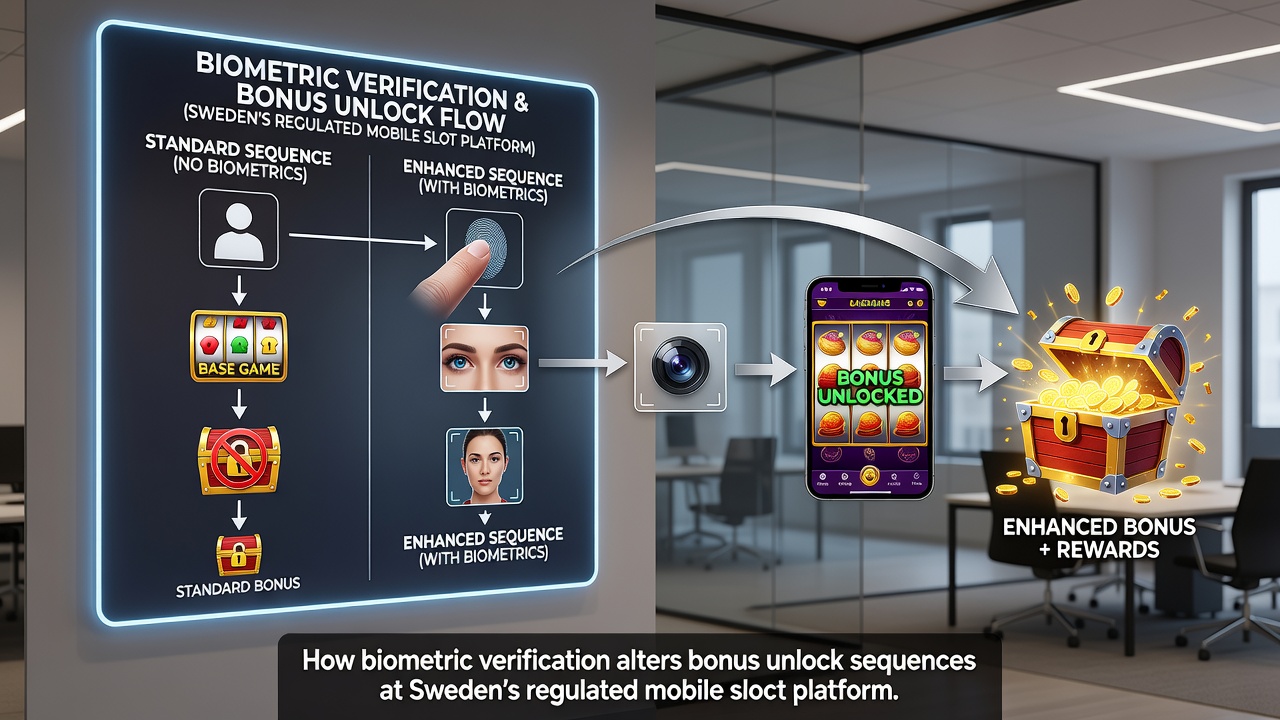
Older sequences required players to open the app, enter credentials, navigate to the promotions tab, select the bonus, and confirm eligibility through a manual code or email link, and each of those actions created separate pauses where the system checked identity. Research indicates that such multi-step paths often extended the time between bonus selection and actual spin availability to over ninety seconds on average, whereas the newer biometric versions compress the same checks into a single authenticated gesture.
Integration Points Where Biometrics Change the Flow
Biometric checks now appear at three main points in the bonus sequence on most regulated Swedish apps: after selecting the offer, immediately before the first spin of free rounds, and again if the player switches from demo mode to real-money play within the same session. Because facial recognition or fingerprint scanning confirms identity in under two seconds, the system releases the bonus balance almost instantly once the scan succeeds, which alters the overall rhythm from a staggered process to a near-continuous one. Those who've studied the updated interfaces report that the sequence feels smoother, yet the regulatory audit trail remains intact because each biometric event logs a timestamped confirmation.
Impact on Progressive and Jackpot-Linked Bonuses
Progressive jackpot bonuses tied to mobile slots often carry additional eligibility checks, and biometric steps now serve as the final gate before the system adds the player to the shared pool. Figures from platform analytics reveal that the verification cut-off occurs right after the initial deposit clears and before the jackpot contribution meter begins counting, which prevents any lag that could otherwise exclude a user from that round's prize accumulation. In practice the scan must succeed before the game server registers the bet, so the sequence locks the bonus into the progressive cycle without extra manual confirmation screens.
Device-Level Security and Cross-Platform Consistency
Most Swedish operators rely on the device's native biometric hardware rather than building custom scanners, which means the same fingerprint or face data stored in the phone's secure enclave handles verification across multiple regulated apps. This approach keeps sequences consistent whether a player moves from one operator's slot lobby to another's within the same afternoon, and it reduces friction when claiming time-limited bonuses that expire within hours of activation. Studies from European research institutions show that device-native biometrics maintain a false-acceptance rate below 0.1 percent, satisfying both security mandates and player convenience expectations.
September 2026 Platform Updates and Sequence Adjustments
As of September 2026 several major Swedish-licensed apps introduced optional voice biometric layers for high-value bonus claims, layering an audio phrase confirmation on top of fingerprint or facial scans when the unlocked amount exceeds a set threshold. The new step inserts a brief recording prompt between the initial scan and the final balance update, yet the entire addition still completes in under five seconds because the voice sample processes locally before the server releases the spins. Observers note that this layered approach addresses evolving regulatory expectations around large promotions while preserving the speed gains that earlier biometric changes delivered.
External data from the European Gaming and Betting Association indicates that regulated markets using multi-factor biometrics report fewer interrupted bonus sequences compared with markets relying solely on passwords or SMS codes. The same report highlights that mobile slot platforms in Sweden achieved a 34 percent reduction in claim abandonment rates after rolling out the updated verification flows during the first half of 2026.
Conclusion
Biometric verification has reshaped bonus unlock sequences on Sweden's regulated mobile slot platforms by embedding identity checks into the natural flow of the app rather than treating them as separate hurdles. The changes shorten overall timing, maintain full compliance with Spelinspektionen rules, and allow progressive features to activate without additional delays. As platforms continue refining these steps through 2026 and beyond, the sequence remains a balance between regulatory precision and device-level speed.