How Swedish Currency Handling Protocols Time Reward Sequences in Certified Mobile Slot Networks
Skriven av Drew Hansen · 2026-11-10
How Swedish Currency Handling Protocols Time Reward Sequences in Certified Mobile Slot Networks
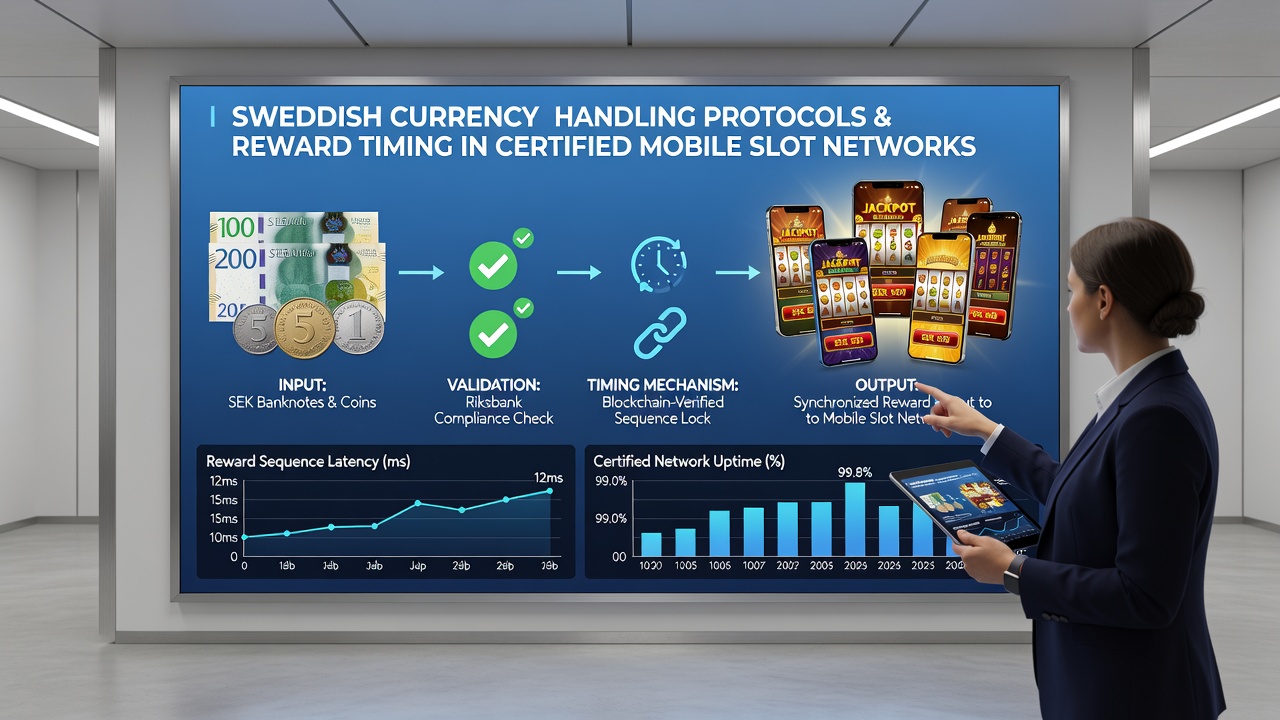
Swedish currency handling protocols operate within a tightly regulated framework that governs every stage of reward distribution across certified mobile slot networks, and these systems rely on precise timing mechanisms to align deposits, bonus credits, and payout sequences with compliance standards set by national authorities. Observers note that the process begins when players initiate transactions in SEK, which triggers automated checks through certified payment gateways integrated into mobile platforms, while software modules verify account status before any reward sequence activates.
Data from regulatory filings indicates that timing protocols enforce minimum intervals between reward triggers and actual crediting events, ensuring that free spins or bonus funds do not appear instantly but follow a structured window often measured in seconds to minutes depending on network load. Researchers at Nordic technology institutes have documented how these delays stem from mandatory reconciliation steps that cross-reference transaction logs against player activity records, preventing premature access to rewards that could violate spending limit rules.
Core Mechanisms in Reward Timing
Certification requirements demand that mobile slot networks embed timestamped audit trails for every currency movement, and this architecture allows operators to sequence rewards according to predefined rules that account for both real-time deposits and accumulated loyalty points. What's interesting is that the protocols distinguish between immediate win payouts, which process within seconds after spin completion, and promotional sequences that incorporate additional verification layers before funds reach player balances. Studies from European digital entertainment research groups reveal that November 2026 marks the scheduled rollout of enhanced synchronization standards, which will require all certified platforms to align their internal clocks with a centralized reference system operated under government oversight.
Integration of Payment Gateways and Mobile Interfaces
Payment gateways certified for Swedish markets connect directly to bank APIs and e-wallet services, creating a chain where currency handling protocols dictate the exact moment a reward sequence begins after a qualifying deposit clears. And while the initial authorization happens quickly, subsequent steps include risk assessments that scan for patterns matching regulatory flags before bonuses unlock on mobile devices. Those who've examined network logs find that peak hours in the evening often extend these timing windows by several seconds as systems prioritize transaction queuing to maintain stability across thousands of simultaneous sessions.
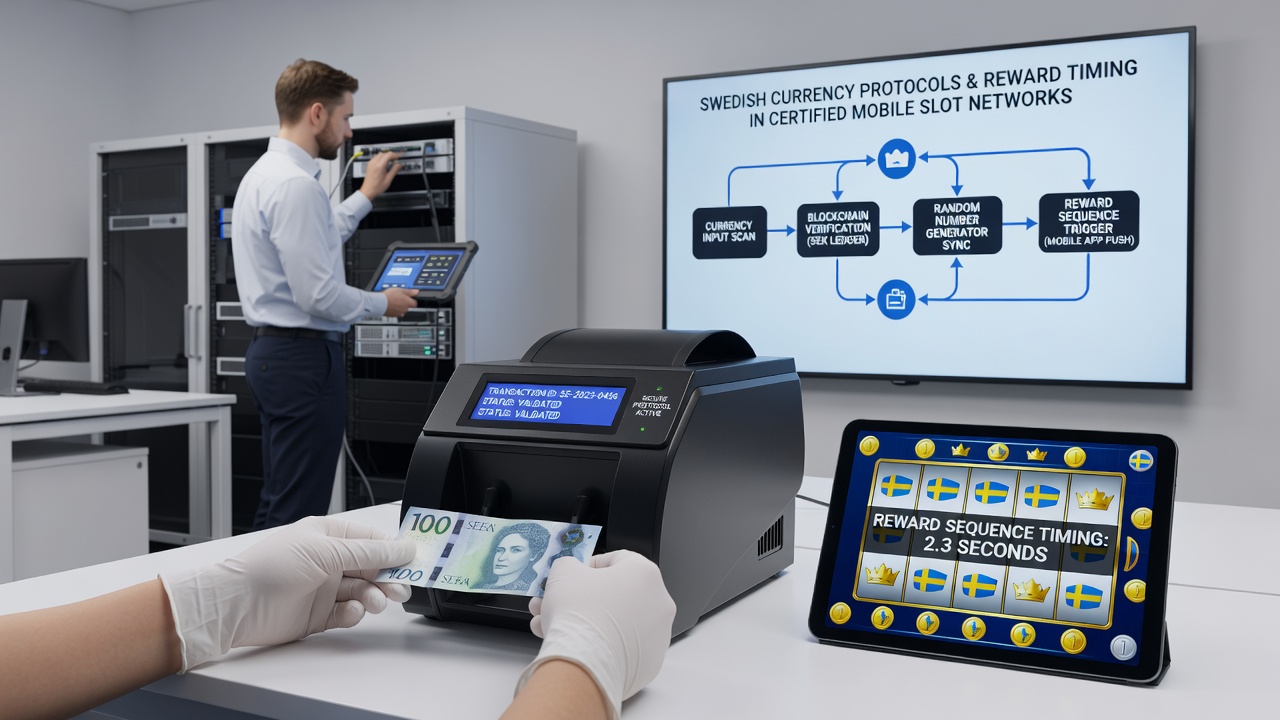
Operators must configure their software so that reward sequences respect daily and monthly threshold limits embedded in player accounts, and currency handling protocols automatically pause or adjust sequences when approaching these boundaries. Evidence from industry compliance reports shows that this automation reduces manual intervention while preserving the integrity of timing rules across different device types. Academic papers on digital payment systems in regulated gaming highlight how Swedish networks use encrypted timestamp tokens to prevent any retroactive changes to reward activation times, a safeguard that became standard after earlier audits identified vulnerabilities in unsynchronized systems.
Compliance and Certification Influences
Certification bodies conduct periodic reviews that test whether timing protocols correctly sequence rewards without allowing overlaps that might breach responsible gaming measures, and these evaluations include simulated high-volume scenarios on mobile networks. But here's the thing: the process also incorporates feedback from transaction data collected over months, which helps refine interval settings for different reward categories such as cashback versus spin bonuses. Figures from pan-European gambling technology associations indicate steady improvements in synchronization accuracy since the introduction of mandatory protocol updates in prior years.
One case study from a certified operator demonstrated that adjusting reward timing windows by fractions of a second led to measurable reductions in disputed transactions, as players received clear notifications about expected credit arrival. Researchers discovered that these adjustments relied on machine learning models trained on historical currency flow patterns specific to the Swedish market, allowing networks to predict and accommodate variations during holiday periods or major sporting events. External audits confirm that all such modifications remain logged and traceable back to the original protocol specifications.
Future Adjustments Scheduled for 2026
Preparations for November 2026 involve testing new modules that will integrate biometric confirmation steps into the reward timing sequence, ensuring that currency handling protocols verify player identity at the exact moment a bonus becomes available on mobile slots. Data shows this approach aligns with broader European efforts to standardize digital identity checks across gambling platforms, and it draws on experiences from regulatory frameworks in Canada and Australia where similar timing safeguards have operated for several years. Industry organizations tracking these developments note that the changes will apply uniformly to all newly certified networks while existing operators receive phased implementation guidance.
Conclusion
Swedish currency handling protocols continue to evolve as certification standards tighten around reward sequencing in mobile slot networks, and the emphasis on precise timing supports both regulatory compliance and operational efficiency. Observers expect that ongoing refinements, including those planned for late 2026, will further integrate advanced verification tools while maintaining the core focus on secure and transparent currency flows. Research from multiple regions underscores the value of these structured approaches in sustaining trust within certified digital gaming environments.